Blog
Industrial Safety Equipment Buying Guide for Factories in Bangladesh (PPE Checklist)

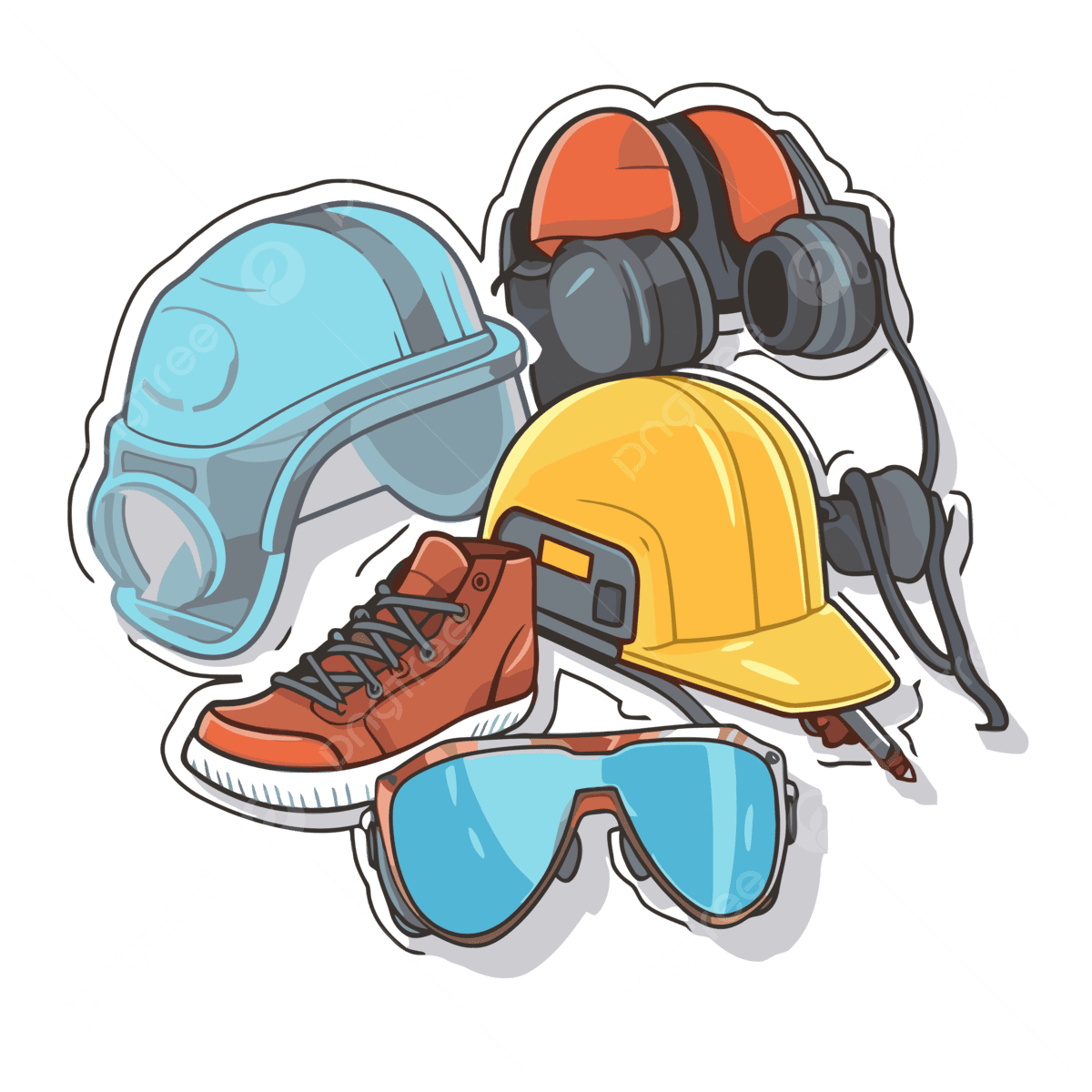
Every factory accident that makes the news in Bangladesh — a fall, a burn, an eye injury — is usually followed by the same finding: the right protective equipment was either missing or not genuine. For garment factories facing compliance audits, and for any plant serious about its workers, PPE is not a formality. This checklist helps procurement and admin teams buy the right safety equipment, in the right grades, from the right source.
Why PPE Procurement Deserves More Attention
Buyers’ compliance audits in the garment sector routinely check whether PPE is available, genuine, and actually used on the floor. Beyond compliance, the business case is simple: one lost-time injury costs far more than a year’s supply of gloves and safety shoes. The problem is that the local market is full of low-grade and imitation safety products that look acceptable but offer little real protection.
The Core PPE Checklist for Factories
1. Head protection — safety helmets
Required for construction sites, maintenance work, warehouses with overhead loading, and any area with falling-object risk. Check the shell material, suspension system, and marked safety standard on the helmet itself.
2. Eye protection — safety goggles
Grinding, cutting, chemical handling, and welding all demand eye protection — eye injuries are among the most common and most preventable industrial injuries. Clear goggles suit general mechanical work; specialised shaded lenses are needed for welding.
3. Hand protection — the right glove for the right job
There is no universal glove. Cut-resistant gloves for sheet metal and glass handling, chemical-resistant gloves for acids and solvents, heat-resistant gloves for hot work, and general-purpose coated gloves for assembly and material handling. Match the glove to the hazard — a cotton glove on a cutting job protects nothing. See our hand gloves range.
4. Foot protection — industrial safety shoes
Steel-toe (or composite-toe) safety shoes protect against crushing and puncture injuries in warehouses, workshops, and construction sites. Look for a certified toe cap, puncture-resistant midsole, and oil/slip-resistant outsole. Browse industrial safety shoes, and gumboots for wet areas, chemical floors, and monsoon site work.
5. Respiratory protection — masks
Dust masks for sanding, grinding, and textile dust; higher-grade respirators for chemical vapours and spray painting. The correct grade depends on the contaminant — using a basic dust mask against solvent fumes gives a false sense of safety. See safety masks.
6. Body and fall protection
High-visibility vests for logistics and night work, and fall-protection equipment for any work at height. For the complete range, visit our personal protective equipment section.
How to Spot Low-Quality PPE Before You Buy
- No standard markings — genuine PPE carries the applicable safety-standard marking printed or moulded on the product, not just on the box.
- Unrealistic pricing — a “steel-toe” shoe at the price of a normal shoe usually is a normal shoe.
- No datasheet available — a serious supplier can show the manufacturer’s specification sheet for any safety product.
- Poor stitching, thin materials, chemical smell — physical inspection still matters; compare a sample against a known-genuine unit.
Buying PPE for a Factory: Practical Tips
- Buy by hazard assessment, not by catalogue — walk the floor, list the actual risks, then specify PPE per workstation.
- Standardise sizes and keep 10–15% spare stock; PPE that is out of stock protects no one.
- Prefer one reliable supplier for the full range — mixed sourcing makes quality control and reordering harder.
- Ask for a VAT invoice and delivery challan — required for audits and corporate accounting.
Frequently Asked Questions
What PPE is required for a garment factory in Bangladesh?
Typical requirements include eye protection and gloves in cutting sections, dust masks in fabric and sanding areas, safety shoes for loaders and maintenance staff, and clearly marked PPE availability for compliance audits. The exact list should follow your buyer’s code of conduct and your own risk assessment.
Steel toe or composite toe — which is better?
Both protect against impact. Steel toes are economical and widely available; composite toes are lighter and metal-free. For most Bangladeshi factories, certified steel-toe shoes are the practical choice.
How often should PPE be replaced?
Replace immediately on visible damage. As routine practice, gloves and masks are consumables replaced frequently; helmets and shoes are replaced per manufacturer guidance or after any significant impact.
Where can I buy industrial safety equipment in bulk in Dhaka?
Dhaka Tools Corporation supplies genuine safety equipment to factories, contractors, and corporate buyers across Bangladesh, with wholesale pricing, VAT invoicing, and nationwide delivery. Request a quotation or call +8801882395659.
Equip Your Team Properly
Send us your PPE requirement list — items, grades, quantities, and sizes — and we will return a complete quotation with availability and delivery timeline. Request a quotation or contact us to discuss your factory’s needs.